Can a Software Bug Make a Car a Lemon?
Yes, it can. Lemon laws and the federal Magnuson-Moss Warranty Act (MMWA) generally cover warranty defects, and software is part of the car. If a covered software problem substantially impairs use, value or safety and the manufacturer cannot fix it in a reasonable number of attempts, you may have a claim. Results depend on the facts.
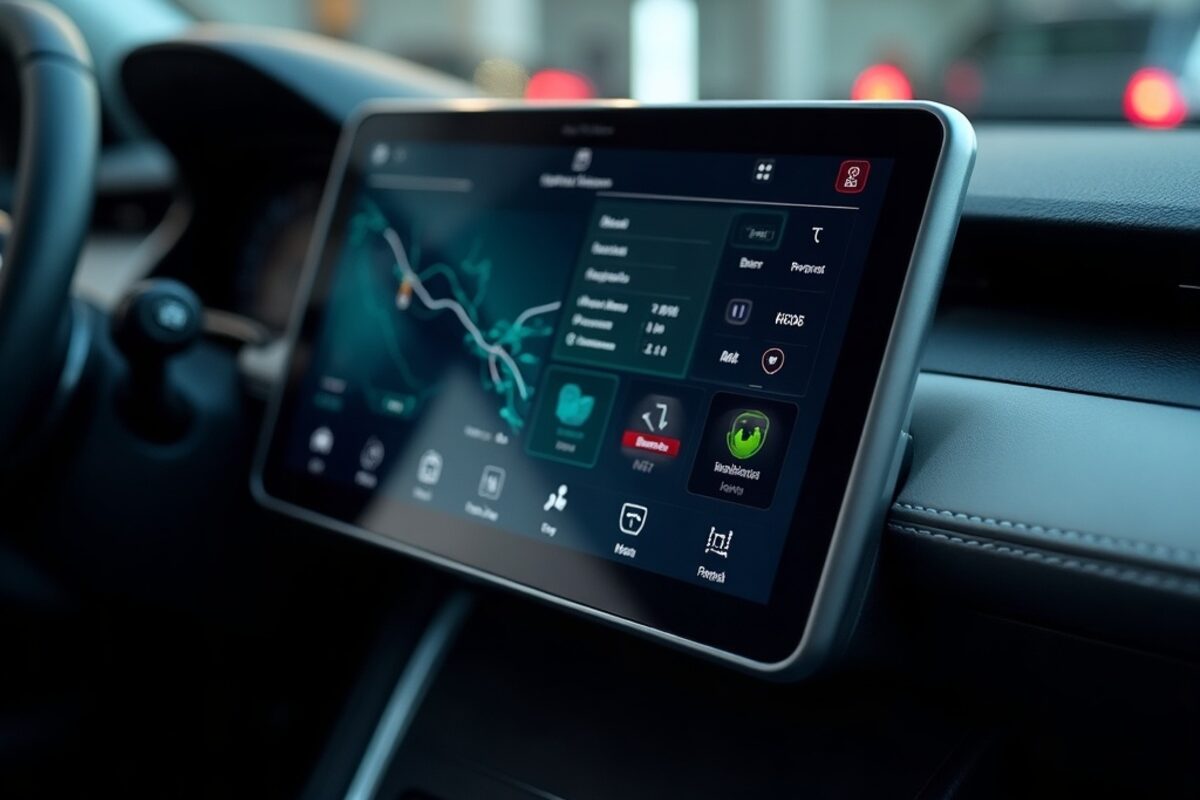
Screen freezing, camera glitching or driver-assist faults after repeated visits? See whether your repair history supports a claim.
Take the case eligibility quiz →Why is software treated like any other defect?
A modern vehicle runs on code. The same software that plays music also shows the backup camera, manages warnings, runs driver-assist features and often controls climate and vehicle settings. When a manufacturer's written warranty covers defects in materials or workmanship, the software and the modules it runs on are usually part of that coverage. Check your warranty booklet for how it describes electronics and software, and whether some items carry a shorter term.
The legal questions are the same as for a bad transmission: Is the problem covered by the warranty? Does it substantially impair the use, value or safety of the vehicle? Has the manufacturer had a reasonable chance to fix it? Our page on infotainment and software bugs covers the common symptoms. This article focuses on how those symptoms turn into a claim.
Which software problems are serious enough?
Not every glitch qualifies. A radio preset that resets once is an annoyance. The pattern that tends to matter is a defect that keeps coming back and affects how you use or rely on the car. Examples owners bring to us include:
- Infotainment freezes or reboots that take out navigation, hands-free calling, climate controls or vehicle settings along with the screen.
- Backup camera failures, such as a black screen, frozen image or delayed display in reverse. Federal safety standard FMVSS 111 requires new light vehicles built on or after May 1, 2018 to display a rearview image, so this is a safety feature, not a convenience.
- Driver-assist (ADAS) faults: phantom braking, lane-keeping that steers wrong, adaptive cruise that drops out, or repeated "system unavailable" warnings.
- Module and communication errors that cause warning lights, no-start conditions or features that stop working together. See our page on computer module defects.
Electric vehicles bring their own software issues around charging and battery management; we cover those in our EV lemon law guide.
Do over-the-air updates count as repair attempts?
This is the question we hear most. Many manufacturers now push fixes over the air (OTA), with no dealer visit and no repair order. Whether a specific OTA update counts as a repair attempt under your state's lemon law is not settled the same way everywhere, and it may depend on how your state defines a repair attempt and on the facts.
What you can control is the record. When an update is meant to address your problem, it is evidence that the manufacturer knew about the defect and tried to fix it. Protect that evidence:
- Screenshot the update notice and release notes, with the date and software version.
- Write down whether the problem came back, and when.
- If it returns, take the car to the dealer and ask that the repair order state the symptom, the software version and that the problem persisted after the update.
- Keep everything in one place, such as our repair attempt log.
Dealer visits where a technician reflashes a module are repair attempts in the ordinary sense and should appear on a repair order. If the dealer cannot reproduce an intermittent glitch, read our guide on what to do when the dealer says no problem found. Video of the problem on your phone often helps.
What about safety-related software and recalls?
When a software defect affects safety, such as a camera that fails in reverse or a driver-assist system that brakes for no reason, two things change. First, many state lemon laws apply a lower repair-attempt threshold to defects likely to cause death or serious injury. The exact number varies, so check your state with our state law lookup. Second, the manufacturer may issue a safety recall, and some recall remedies are delivered by software update.
A recall does not erase your rights. If the recall fix does not solve your problem, that may be one more failed repair attempt. See recall vs lemon-law claim for how the two interact, and run your VIN through our recall lookup. Manufacturers also issue technical service bulletins for software issues; our guide on TSBs explains why they matter.
How does MMWA help with a software defect?
The Magnuson-Moss Warranty Act is federal law, 15 U.S.C. 2301 et seq., so it applies in every state. It lets a consumer sue when a warrantor fails to honor a written or implied warranty after being given a reasonable opportunity to cure the problem (15 U.S.C. 2310(e)). If the consumer finally prevails, the court may award attorney fees and costs (15 U.S.C. 2310(d)(2)). That matters for software cases, which can be hard to fit into a state statute written with mechanical failures in mind. Lemonaid Firm helps owners nationwide under MMWA, and under state lemon law where it applies.
Frequently asked questions
Can an infotainment problem really make a car a lemon?
It can when the defect is covered by the warranty, keeps coming back, and substantially impairs the use, value or safety of the car, for example when a frozen screen also takes out the backup camera or climate controls. Results depend on the facts.
Does an over-the-air update count as a repair attempt?
It depends on your state's law and the facts, and the answer is not the same everywhere. Save the update notice and release notes, note whether the problem returned, and follow up at the dealer so a repair order documents it.
The dealer says the software is working as designed. Now what?
Keep documenting. Record video of the problem, note dates and software versions, and ask that every visit be written up with your complaint. A defect that persists after repeated attempts may still support a claim.
Is a backup camera failure a safety defect?
Federal safety standard FMVSS 111 requires new light vehicles built on or after May 1, 2018 to display a rearview image, so a camera that fails in reverse is a safety issue. How your state's lemon law treats it depends on its definitions.
Do I need a recall to have a software claim?
No. A recall is not required. A covered defect the manufacturer cannot fix within a reasonable number of attempts may support a lemon-law or MMWA claim whether or not a recall exists.
Sources
- 49 CFR 571.111, FMVSS 111 rear visibility (Cornell LII)
- 15 U.S.C. 2310, remedies in consumer disputes (Cornell LII)
Software problem that will not go away?
A few questions on your vehicle, your repair orders and any updates. Free. We tell you whether the facts support a lemon-law or MMWA claim. Results depend on the facts of each case.
Take the case eligibility quiz →