Safety Recall vs Safety Defect: When to Stop Driving Your Car
Stop driving and have the car towed if the brakes feel wrong, the steering binds or pulls hard, the engine stalls while moving, or you smell burning or see smoke. That holds whether or not a recall exists. A recall is the manufacturer admitting a known problem; an unrecalled safety defect can be just as dangerous.
Safety problem the dealer keeps failing to fix? See whether your repair history supports a claim.
Take the case eligibility quiz →What is the difference between a safety recall and a safety defect?
A safety recall is a formal campaign. The manufacturer (sometimes after pressure from the National Highway Traffic Safety Administration, NHTSA) admits that a group of vehicles has a safety-related problem, files a recall report, notifies owners, and offers a free remedy.
A safety defect is the underlying problem itself. It exists whether or not anyone has filed paperwork. Many real defects are never recalled, or are recalled only after months of owner complaints. So "there is no recall on my car" does not mean "my car is safe," and it does not mean you have no claim.
For your legal rights, the key point is the same either way: if a defect is covered by your warranty and the manufacturer cannot fix it within a reasonable number of attempts, you may have a lemon-law or Magnuson-Moss Warranty Act (MMWA) claim. We explain how recall repairs fit into that picture in our guide on recalls vs lemon-law claims.
Which warning signs mean you should stop driving now?
Trust your senses. If something affects your ability to stop, steer, or keep moving, or suggests a fire risk, do not "wait and see" on the highway. Pull over safely, turn the car off, and call for a tow to the dealer.
| Symptom | Why it matters | What to do |
|---|---|---|
| Brake pedal sinks, feels soft, or the car pulls or grinds when braking | You may not be able to stop in time | Stop driving and tow it in |
| Steering binds, goes heavy, wanders, or loses assist | You may lose control, especially at speed | Stop driving and tow it in |
| Engine stalls or loses power while moving | Stalling in traffic can cause a crash and may also cut power assist | Stop driving and tow it in |
| Burning smell, smoke, melted wiring, or fluid leaks near hot parts | Possible fire risk | Park away from buildings, get out, call for help if needed, tow it in |
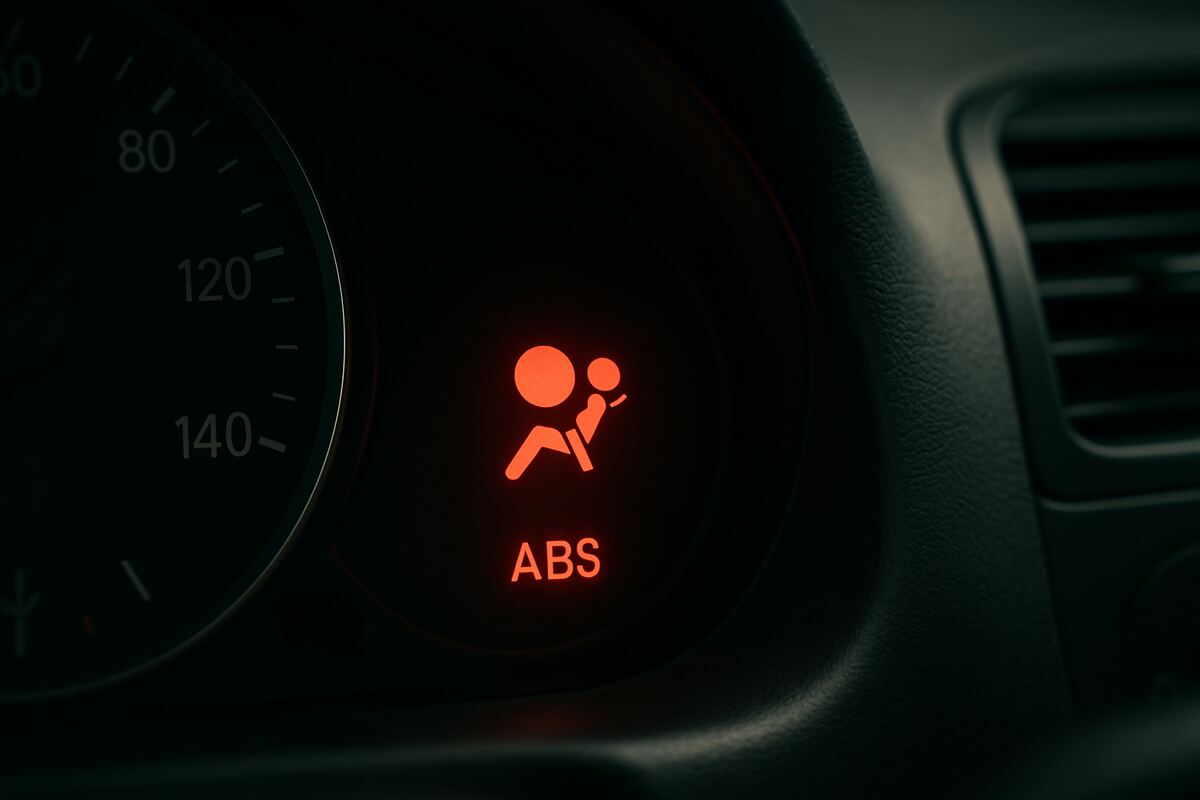
| Airbag warning light stays on | The system may have detected a fault, and the airbags may not work as designed in a crash | Check your owner's manual and get it inspected promptly |
If you have had any of these, our pages on brake defects, steering problems, airbag malfunctions and fire hazards explain how each one fits a claim. A tow receipt is also useful evidence: it shows you took the problem seriously and that the car was not safe to drive.
How do you check whether your car has an open recall?
Every recall is tied to vehicle identification numbers (VINs). NHTSA's search lets you enter your 17-character VIN and see whether the vehicle has an unrepaired safety recall from the last 15 years. Your VIN is on the lower left corner of the windshield, on the label inside the driver's door jamb, and on your registration and insurance card.
- Run your VIN in our recall lookup tool, which pulls NHTSA recall data.
- If a recall appears, call the dealer and schedule the free remedy. Ask whether parts are available and, if the recall says not to drive the car, what they offer for towing or a loaner.
- Check again every few months. New recalls are added over time, and a car that showed zero open recalls last year may have one today.
If no recall comes up but your symptoms match the table above, that is exactly the situation where an unrecalled defect may exist. Get it to the dealer and make sure it is written down.
Should you report the problem to NHTSA?
Yes, if you believe it is a safety problem. You can file a vehicle safety complaint online through the "Report a Safety Problem" page at nhtsa.gov, or by calling NHTSA's Vehicle Safety Hotline at 888-327-4236. NHTSA removes personal information and adds complaints to a public database. When the agency sees similar reports from many owners of the same vehicle, that pattern may lead to an investigation and, in some cases, a recall.
A complaint does not replace a warranty repair and it does not start a lemon-law claim. It is a public safety record. Save a copy or screenshot of your confirmation, because it helps show when you first noticed the problem.
Do safety defects need fewer repair attempts under lemon law?
Under many state lemon laws, yes. Several states treat a defect that could cause death or serious injury more seriously than an annoyance, and they may presume the car is a lemon after fewer repair attempts. California is one example: its presumption can apply when the same defect is likely to cause death or serious bodily injury and has been subject to repair two or more times within 18 months or 18,000 miles, whichever comes first, with other conditions that apply.
Rules differ a lot from state to state, including the number of attempts, the time window, and notice requirements. Check yours with our state law lookup. The federal MMWA does not set a fixed number; it asks whether the manufacturer had a reasonable opportunity to fix the defect, and a dangerous defect may affect what counts as reasonable. Our guide to reasonable repair attempts goes deeper. Because MMWA is federal, Lemonaid Firm can help owners in every state.
What should you do after you stop driving?
- Get it towed to an authorized dealer and keep the tow and rental receipts.
- Describe the symptom in plain words and ask that your description go on the repair order exactly: "brakes went soft at 40 mph," not "brake concern."
- Get a repair order for every visit, even if the dealer says it could not find anything. Log each one in our repair attempt log.
- Record it when you can do so safely, such as a photo of a warning light once parked.
- Do not sign a release or "goodwill" agreement until a lawyer has read it.
Frequently asked questions
Can I have a lemon-law claim if my car has never been recalled?
Yes. A recall is not required. If a warranty-covered defect is not fixed within a reasonable number of attempts, state lemon laws and the Magnuson-Moss Warranty Act may apply whether or not a recall exists. Results depend on the facts.
Does a recall repair count as a repair attempt?
It often can. A recall remedy is a repair of a defect, and if the same problem continues after the recall work, that visit may count toward your repair history. How it counts depends on your state and the facts.
Is it safe to drive with the airbag warning light on?
An airbag light that stays on can mean the system has detected a fault and the airbags may not work as designed in a crash. Check your owner's manual and have the car inspected promptly.
How do I report a safety defect to NHTSA?
You can file a vehicle safety complaint online through the Report a Safety Problem page at nhtsa.gov or call NHTSA's Vehicle Safety Hotline at 888-327-4236. Keep a copy of your confirmation.
Will the dealer pay for a tow if my car is unsafe to drive?
It depends on your warranty, any roadside assistance plan, and the recall notice if there is one. Ask the dealer and manufacturer, and keep every receipt, since out-of-pocket costs may be part of a claim.
Sources
- NHTSA: Report a Vehicle Safety Problem
- NHTSA: Check for Recalls
- California Civil Code section 1793.22
- Magnuson-Moss Warranty Act, 15 U.S.C. 2310
Safety defect the dealer cannot fix?
A few questions on your vehicle, your repair orders, and your warranty. Free. We tell you whether the facts support a lemon-law or MMWA claim, recall or no recall. Results depend on the facts of each case.
Take the case eligibility quiz →