Hybrid Battery Failure: What Are Your Warranty and Lemon-Law Rights?
If your hybrid battery fails while it is still under warranty, the manufacturer should repair or replace it at no cost. Hybrid components often carry longer coverage than the basic warranty, so check your booklet. If the same battery problem keeps coming back after repairs, you may have a lemon-law or Magnuson-Moss Warranty Act claim.
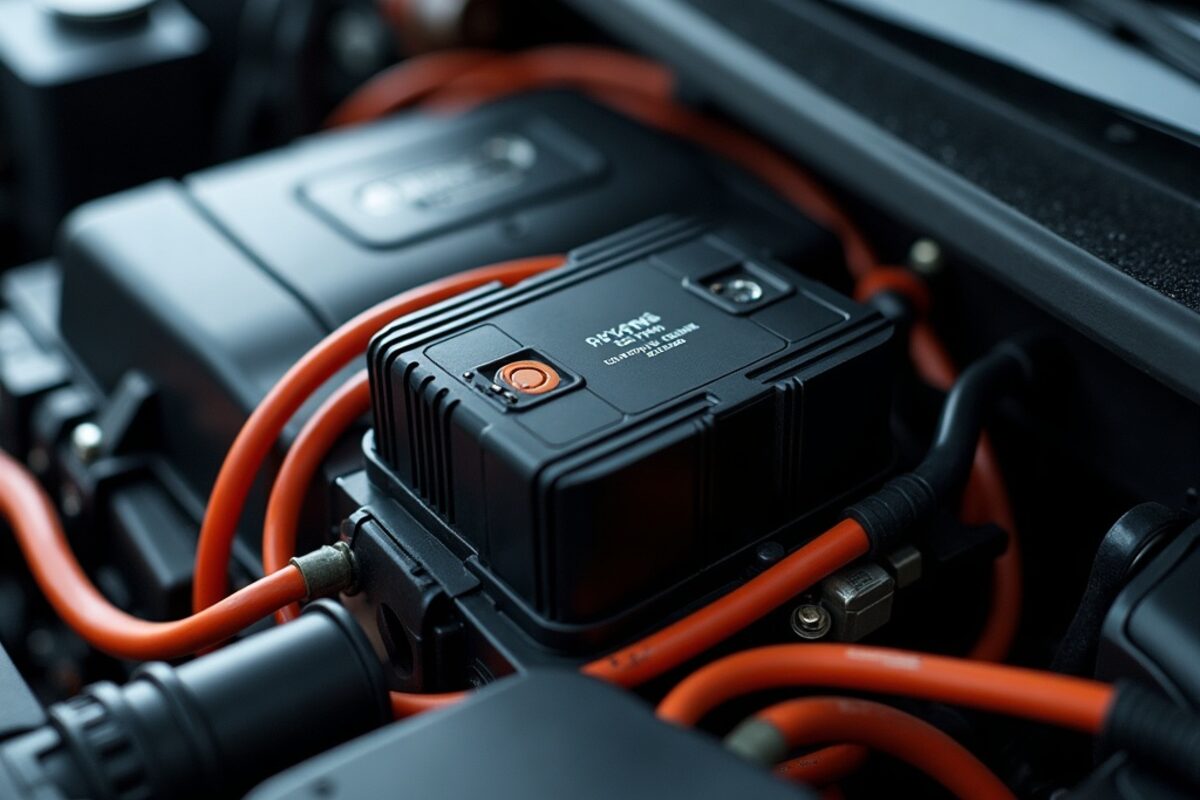
Hybrid battery replaced, repaired, or still throwing warnings? See whether your repair history supports a claim.
Take the case eligibility quiz →How long is a hybrid battery covered by warranty?
Most hybrids come with several warranties at once, and the battery can fall under more than one of them. Your warranty booklet is the document that controls, so start there. In general you will see:
- The basic (bumper-to-bumper) warranty, which usually covers most parts for a shorter period.
- A hybrid or electrified component warranty, which many automakers offer separately for the high-voltage battery, inverter, and related parts. Its length varies by manufacturer and model year.
- The federal emissions warranty. Under the Clean Air Act, 42 U.S.C. 7541(i), emission-related parts on light-duty vehicles are warranted for 2 years or 24,000 miles, and "specified major emission control components" for 8 years or 80,000 miles. The statute names the catalytic converter, the electronic emissions control unit, and the onboard emissions diagnostic device. It does not list the hybrid battery by name, so whether the battery falls under this coverage depends on how your manufacturer and your warranty booklet treat it.
- California emissions coverage. The California Air Resources Board lists a 10-year or 150,000-mile warranty for the battery or other energy storage device on vehicles certified to its PZEV and TZEV standards. That applies to vehicles certified to those standards, not to every hybrid sold in California or elsewhere.
Because the rules layer on top of each other, the quickest step is to check your coverage with our warranty period checker and compare it with the dates and mileage on your repair orders. Our guide to the powertrain warranty explains how the longer warranties fit alongside the basic one.
What hybrid battery problems count as a warranty defect?
A defect is a failure in materials or workmanship that the warranty promises to fix. For hybrid systems, owners commonly report:
- A hybrid system warning light or "check hybrid system" message that returns after repairs
- The car refusing to start, or dropping into a reduced-power mode
- A sharp drop in fuel economy or electric-only range
- Battery cooling fan or thermal management failures
- Faults in the battery control module, inverter, or high-voltage wiring
Gradual capacity loss is where warranties differ the most. Some booklets define a minimum capacity the battery must keep; others cover outright failure only. Read the exact wording before you accept a dealer's answer that loss is "normal." Our hybrid battery defects page covers the symptoms in more detail, and EV owners should also see our guide to EV battery, charging, and software claims.
When does a repeat hybrid battery failure become a lemon?
A single battery replacement that fixes the problem is the warranty doing its job. The picture changes when the same problem keeps coming back. State lemon laws usually give the manufacturer a limited number of repair attempts or a cumulative number of days out of service, measured within an early ownership window. Our guide to reasonable repair attempts walks through how those tests work.
Hybrid batteries often fail later than that window, sometimes years into ownership. That is where the federal Magnuson-Moss Warranty Act (15 U.S.C. 2301 et seq.) matters. MMWA applies nationwide to consumer products sold with a written warranty. If a warranted part cannot be fixed after a reasonable number of attempts, you may have a claim even when your state lemon-law period has ended, as long as the failure happened within the written warranty. Our comparison of MMWA and state lemon laws explains the difference.
Does a refurbished or repaired battery count as a repair attempt?
Yes, generally. Whether the dealer swapped in a new pack, installed a remanufactured one, replaced individual modules, or reprogrammed the battery control module, each visit to fix the problem is a repair attempt. If a replacement fails again, that is another one. Software updates count too, and the manufacturer may have issued a technical service bulletin describing the problem, which can help show it is a known issue.
If you win an MMWA claim, the law allows a court to award reasonable attorney fees and costs against the manufacturer under 15 U.S.C. 2310(d)(2). Our page on MMWA fee-shifting explains how that works. Results depend on the facts of each case.
What should you do if your hybrid battery fails?
- Go to an authorized dealer while the car is still inside the warranty period, even if the car still drives.
- Get a repair order for every visit showing the date, mileage, your description of the symptom, any fault codes, and what was done.
- Ask what was installed: a new pack, a remanufactured pack, or individual modules.
- Log every visit and every day without the car in our repair attempt log, and check for open recalls with our recall lookup tool.
- Do not pay out of pocket for a covered repair without asking for a written explanation of why it is not covered.
Frequently asked questions
Is a hybrid battery covered by the federal 8-year, 80,000-mile emissions warranty?
Not automatically. The Clean Air Act names the catalytic converter, the electronic emissions control unit, and the onboard emissions diagnostic device for 8-year, 80,000-mile coverage. Hybrid battery coverage depends on your manufacturer's hybrid component warranty and your warranty booklet.
My hybrid battery lost range but did not fail. Is that a defect?
It depends on your warranty's wording. Some hybrid warranties define a minimum battery capacity, while others cover only outright failure. If capacity loss is covered and repairs do not fix it, you may have a claim.
My hybrid battery was replaced once and failed again. Do I have a case?
Possibly. Each replacement or repair is a repair attempt. Whether a repeat failure meets your state's lemon-law test or MMWA's reasonable-opportunity standard depends on the facts, the dates, and the mileage.
My state lemon-law period is over. Can I still make a claim?
You may. The Magnuson-Moss Warranty Act applies nationwide while a written warranty covers the part. If the battery failed within the hybrid component warranty and was not fixed after a reasonable number of attempts, MMWA may apply.
Does using a non-dealer shop void my hybrid battery warranty?
Having routine maintenance done elsewhere generally does not void a warranty on its own, but the manufacturer may deny coverage for damage caused by improper work. Keep receipts for all maintenance and use an authorized dealer for warranty repairs.
Sources
- 42 U.S.C. 7541, compliance by vehicles and engines in actual use (Cornell LII)
- California Vehicle and Emissions Warranty Periods (California Air Resources Board)
- 15 U.S.C. 2310, remedies in consumer disputes (Cornell LII)
Hybrid battery keeps failing?
A few questions on your vehicle, your repair orders, and your warranty. Free. We tell you whether the facts support a lemon-law or MMWA claim. Results depend on the facts of each case.
Take the case eligibility quiz →