Lemon Law for RVs, Motorhomes and Motorcycles: What's Covered?
It depends on your state and on which part of the vehicle is failing. Many state lemon laws exclude motorcycles or the living quarters of a motorhome, and some handle RVs through separate programs. The federal Magnuson-Moss Warranty Act can still apply to RVs and motorcycles sold with a written warranty for personal use.
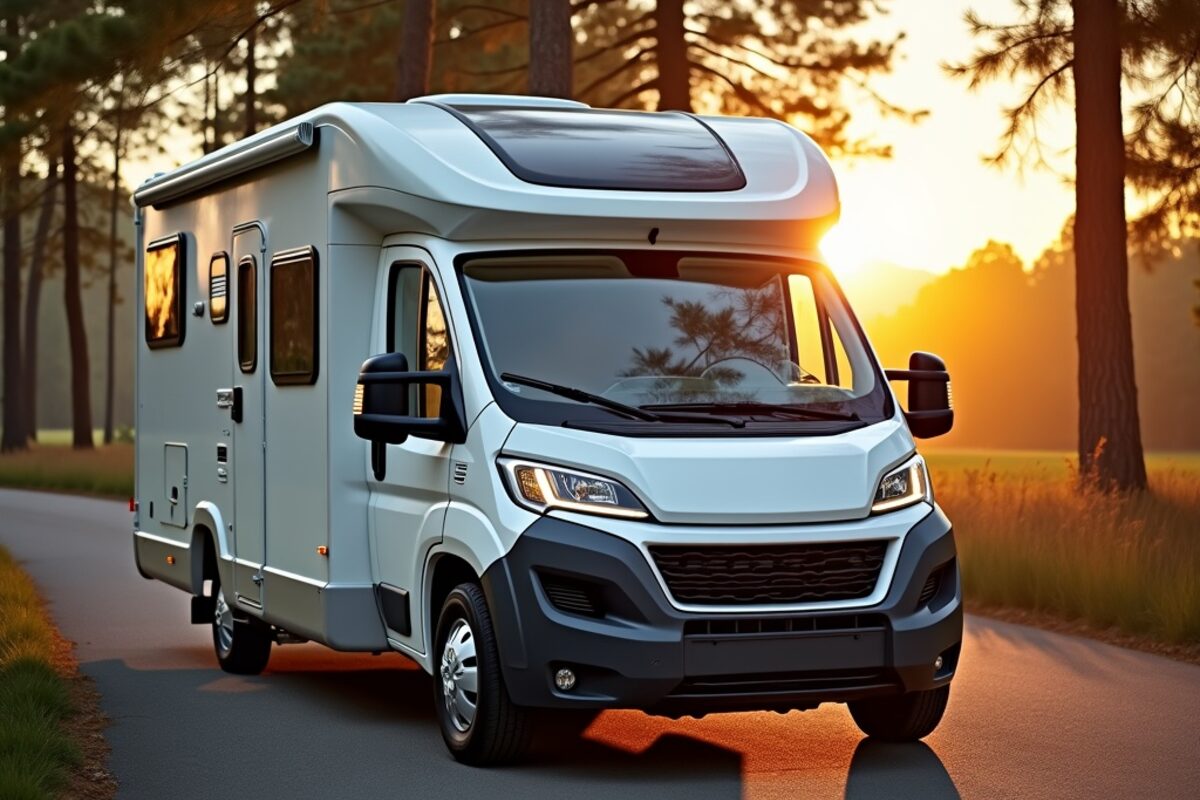
RV or motorcycle back at the dealer again? See whether your warranty and repair history support a claim.
Take the case eligibility quiz →Why are RVs and motorcycles treated differently?
Most lemon laws were written with ordinary cars and trucks in mind. RVs and motorcycles don't fit neatly into that picture, so legislatures have handled them in different ways.
A motorhome is really two products in one. A chassis manufacturer builds the engine, transmission, frame, brakes, and steering. A second company, the coach builder, turns that chassis into a home on wheels: walls, roof, plumbing, slide-outs, electrical, cabinets, and appliances. Each company usually issues its own written warranty, and the appliances inside often carry separate warranties from their makers too.
That split matters. When the generator fails, the slide-out jams, or the roof leaks, the question of "whose warranty is this?" comes before the question of "is it a lemon?" Towable RVs, like travel trailers and fifth wheels, add another wrinkle because they have no engine at all, and whether they count under a state lemon law varies.
Motorcycles raise a simpler issue: some states include them in their lemon law, and some leave them out.
What do state lemon laws say about RVs and motorcycles?
There is no single answer. Two large states show how different the rules can be:
| State | Motorhomes / RVs | Motorcycles |
|---|---|---|
| California (Civil Code 1793.22) | The lemon-law definition of a new motor vehicle includes the chassis, chassis cab, and the part of a motor home devoted to its propulsion, but not any portion designed, used, or maintained primarily for human habitation. | Excluded from the lemon-law definition of a new motor vehicle. |
| Florida (Statutes 681.102, 681.1096) | The definition of motor vehicle excludes the living facilities of recreational vehicles. Florida runs a separate RV Mediation and Arbitration Program for eligible RV disputes. | Excluded, along with mopeds and electric bicycles. |
Other states take their own approaches. Some cover motorcycles, some cover all or part of a motorhome, and some have separate procedures for RVs. Before you assume you are in or out, check your state's rules with our state law lookup or your state lemon law page.
Can the Magnuson-Moss Warranty Act cover an RV or motorcycle?
Often, yes. The Magnuson-Moss Warranty Act (MMWA), 15 U.S.C. 2301 et seq., is a federal law that applies to consumer products sold with a written warranty. It defines a consumer product as tangible personal property normally used for personal, family, or household purposes. RVs, motorhomes, travel trailers, and motorcycles bought for personal use generally fit that description.
That means a state lemon-law exclusion is not necessarily the end of the road. If a warrantor fails to honor its written warranty, or cannot fix a covered defect within a reasonable opportunity, you may have an MMWA claim against that warrantor. With split warranties, each company answers for its own warranty: the chassis maker for the chassis, the coach builder for the coach. Read how the federal MMWA compares with state lemon laws.
MMWA applies nationwide, which is why Lemonaid Firm helps RV and motorcycle owners in every state. Its fee-shifting provision, 15 U.S.C. 2310(d)(2), allows a court to award attorney fees and costs to a consumer who prevails. See how MMWA fee-shifting works.
What problems come up most with RVs and motorcycles?
For motorhomes, owners often report issues on both sides of the split: engine, transmission, and brake problems on the chassis; water leaks, slide-out failures, electrical faults, and appliance failures in the coach. Our RV and motorhome lemon law page covers these in more detail.
For motorcycles, recurring electrical faults, stalling, fuel system issues, and ABS or rider-aid problems can raise safety concerns quickly, because a sudden loss of power on two wheels is more dangerous than on four. See our motorcycle lemon law page.
How should you document RV and motorcycle repairs?
- Identify the warranty. Read the chassis, coach, and appliance warranties, and note each one's length. Our warranty period checker can help.
- Get a repair order for every visit, including mobile technician visits, with the date, mileage or engine hours, and your complaint in your words.
- Track days out of service. RVs can sit at dealers for long stretches waiting for parts. Write down drop-off and pickup dates.
- Photograph and video the problem: leaks, error codes, jammed slides, warning lights.
- Log everything in our repair attempt log and follow our guide on documenting repair attempts.
If you live in your RV full time or use it partly for business, tell us up front. Coverage questions in those situations depend heavily on the facts.
Frequently asked questions
Does lemon law cover RVs and motorhomes?
It depends on the state. Some state lemon laws cover only the chassis and drivetrain of a motorhome and exclude the living quarters, some have separate RV programs, and rules for towables vary. The federal Magnuson-Moss Warranty Act may still apply to warranted RVs.
Are motorcycles covered by lemon law?
Some states include motorcycles in their lemon law and some, including California and Florida, exclude them. A motorcycle sold with a written warranty for personal use may still be covered by the Magnuson-Moss Warranty Act.
Who is responsible for my motorhome's defects, the chassis maker or the coach builder?
Usually each company is responsible under its own written warranty. The chassis maker typically covers the engine, transmission, and frame, while the coach builder covers the living area. The warranty documents decide which one applies.
Does the Magnuson-Moss Warranty Act apply to travel trailers?
It can. MMWA covers consumer products normally used for personal, family, or household purposes that are sold with a written warranty, and a travel trailer bought for personal use generally fits. Results depend on the facts of each case.
Do mobile RV technician visits count as repair attempts?
They can, if the visit was a warranty repair authorized by the warrantor. Always ask for a written repair order showing your complaint and what was done.
Sources
- California Civil Code 1793.22 (definition of new motor vehicle)
- Florida Statutes 681.102 (definitions)
- Florida Statutes 681.1096 (RV Mediation and Arbitration Program)
- 15 U.S.C. 2301 (MMWA definitions, consumer product)
RV or motorcycle that won't stay fixed?
A few questions on your vehicle, your warranties, and your repair orders. Free. We tell you whether the facts support a lemon-law or MMWA claim. Results depend on the facts of each case.
Take the case eligibility quiz →