Is My Car a Lemon? 7 Signs Your Defect May Qualify
Your car may be a lemon if a defect covered by the warranty keeps coming back after repeated repairs, creates a safety risk, or keeps the car at the dealer for long stretches. State lemon laws and the federal Magnuson-Moss Warranty Act each set their own tests, so the signs below point to a possible claim, not a guaranteed one.
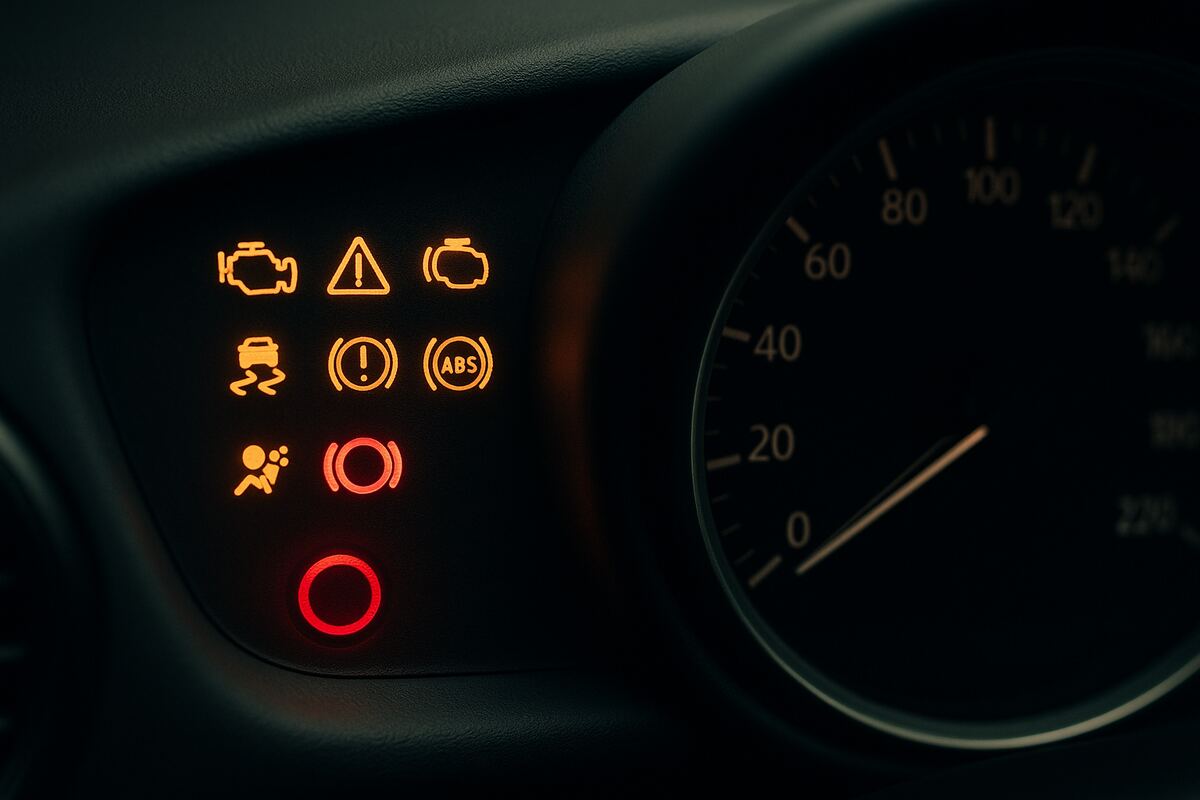
Seeing some of these signs? Our free quiz checks your facts in a few minutes.
Take the case eligibility quiz →What makes a car a "lemon"?
"Lemon" is not a single legal definition. Most state lemon laws cover new vehicles with a substantial defect that the manufacturer cannot fix after a reasonable number of attempts, or that keeps the vehicle out of service for a long time, within a set period. The federal Magnuson-Moss Warranty Act (MMWA) is broader in some ways: it gives you a claim when a warrantor fails to honor a written or implied warranty, and it applies in every state. We help consumers nationwide under MMWA. For how the two fit together, read MMWA vs state lemon law.
Because the tests differ, the useful question is not "is it officially a lemon?" but "do my facts look like a claim?" These seven signs are what we look for first.
7 signs your car may be a lemon
1. The same problem keeps coming back
Two, three, or more repair visits for the same issue is the classic pattern. The dealer replaces a part, the symptom returns, and the cycle repeats. Many state laws use a set number of attempts to create a presumption, and MMWA looks at whether the warrantor had a reasonable opportunity to fix it. See what counts as reasonable repair attempts.
2. The defect affects safety
Brakes, steering, stalling, sudden loss of power, airbags, or anything that could cause a fire. Many state lemon laws treat serious safety defects more strictly, sometimes requiring fewer attempts. If your brakes or steering are involved, do not wait for the next failure to get help.
3. Your car has spent weeks at the dealer
Many states count cumulative days out of service for warranty repairs, often around 30 days, though the number and the period vary. Add up the days on your repair orders. If it is getting long, check your state's test with our state law lookup tool.
4. The dealer keeps saying "no problem found"
You report the symptom, the dealer cannot reproduce it, and you leave with nothing fixed. Those "no problem found" or "could not duplicate" repair orders still document that you reported the defect. A pattern of them can support a claim. Read what to do when the dealer says no problem found.
5. The defect started while the car was under warranty
Timing matters. Most claims depend on the defect first being reported during the warranty or the state's lemon law period, even if the repairs continue afterward. Confirm your coverage window with our warranty period checker.
6. The problem substantially affects use, value, or safety
Lemon laws usually target defects that substantially impair the car's use, value, or safety, not minor annoyances. A transmission that slips, an engine that stalls, or an electrical fault that kills the car usually matters more than a rattle in the dash. That said, a small issue that never gets fixed can still matter under MMWA.
7. You did your part
You took the car to an authorized dealer, kept up normal maintenance, did not modify the part that failed, and kept your paperwork. Manufacturers often look for misuse or aftermarket parts as a reason to deny a claim. Clean records take that argument away.
What usually does not make a car a lemon?
- Normal wear items such as brake pads, tires, and wiper blades wearing out on schedule.
- Damage from an accident, abuse, or neglect, or from aftermarket modifications.
- A defect fixed on the first try that never comes back.
- Problems that first appeared after all warranties ran out. Even then, there may be options; see what if my warranty is expired.
How many signs do you need?
There is no magic number. One serious safety defect with two failed repairs can be stronger than five minor complaints. What matters is how your facts line up with your state's lemon law and with MMWA, and how well they are documented. That is exactly what our eligibility quiz is built to check.
What to do if you see these signs
- Gather every repair order and make sure each shows the date, mileage, and your complaint.
- Log each visit in our repair attempt log and total the days out of service.
- Check for recalls with our recall lookup tool. A recall does not cancel your lemon law rights.
- Do not sign a release or goodwill offer until a lawyer has read it.
- Take the eligibility quiz. It is free, takes a few minutes, and tells you whether the facts may support a claim.
Frequently asked questions
How many repair attempts make a car a lemon?
It depends on your state. Many state lemon laws set a number of attempts for the same defect, often fewer for serious safety defects. MMWA looks at whether the manufacturer had a reasonable opportunity to fix it. Check your state's test.
Can my car be a lemon if the dealer never found the problem?
Possibly. Repair orders that say "no problem found" still show you reported the defect. A documented pattern of those visits, plus photos or video of the symptom, can support a claim depending on the facts.
Is a used car ever a lemon?
Sometimes. Most state lemon laws focus on new vehicles, but some cover used cars, and MMWA can apply to a used car sold with a written warranty. Coverage depends on your state and your warranty.
Does a recall mean my car is a lemon?
Not by itself. A recall is a safety remedy. But recall repairs can count as repair attempts, and a defect that keeps coming back after a recall repair may support a lemon law or MMWA claim.
Do I need a lawyer to find out if my car is a lemon?
No. Our free quiz is a good first step. If the facts may support a claim, we can explain your options under your state's lemon law and MMWA.
Think your car might be a lemon?
Answer a few questions on your vehicle, your repair orders, and your warranty. It is free and takes a few minutes. We tell you whether the facts support a lemon-law or MMWA claim. Results depend on the facts of each case.
Take the case eligibility quiz →